
Last updated: November 21, 2026
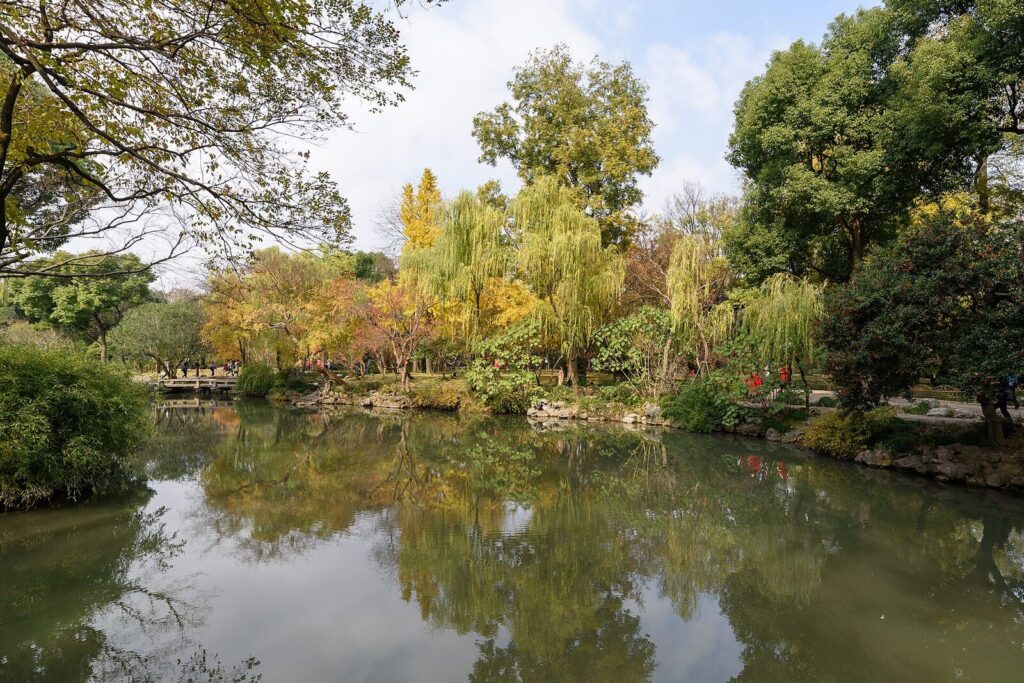
Suzhou sits about 86 km west of Shanghai and has been famous for its canals and classical gardens for centuries. Several of the gardens are UNESCO World Heritage sites, and the city works well as a calm counterweight to Shanghai’s skyscrapers. This guide covers trains, which station to choose, ticket rules, a realistic one-day route, costs and when to stay overnight instead. Prices are from the Suzhou garden bureau’s published price table and recent 2026 travel sources; check the official booking channel for your exact date, because slots and hours change.
Is Suzhou worth a day trip from Shanghai?
Yes, if you like quiet architecture, water and slow walking. Suzhou is not a city of blockbuster sights; it is about courtyards, rockeries, pavilions, canals and noodles. If you are already based in Shanghai (see our 3 days in Shanghai itinerary), it is the cheapest and easiest escape. If you want a bigger lake-and-tea-hills day instead, compare it with our Hangzhou guide.
| Pros | Cons |
|---|---|
| Very short, cheap, frequent trains | Major gardens need advance real-name booking |
| Compact old town, easy to walk and cycle | Gardens are small and crowded at weekends and holidays |
| Great food: noodles, Suzhou-style sweets, river fish | Three big gardens in one day causes garden fatigue |
| Works year-round, with quieter off-season | Summer is hot and humid; winter can be grey and damp |
Getting from Shanghai to Suzhou
By high-speed train (best option)
Trains (G and D series) leave from Shanghai Hongqiao and Shanghai Railway Station throughout the day. The fastest take about 25 minutes; most take 25–40. A second-class seat is roughly ¥30–46 (about US$4–6.50), first class about ¥65–80. Foreigners buy tickets with their passport on the 12306 app, on Trip.com, or at station counters. Our ticket booking guide and essential apps guide cover the setup.
Which station: Suzhou or Suzhou North?
| Station | Best for | Notes |
|---|---|---|
| Suzhou Station (苏州站) | Gardens and old town | Several km from the Humble Administrator’s Garden; metro, bus or short taxi |
| Suzhou North (苏州北站) | Only if no other train fits | Roughly 14 km from the main gardens; adds 30+ minutes |
Choose Suzhou Station whenever you can. A train that is five minutes faster to the North station usually loses the time again on the way into town.
Other ways
- Intercity bus: about 1.5 hours and around ¥35 from Shanghai South; only useful if trains are sold out.
- Private car: about 1.5 hours each way depending on traffic; handy for adding a water town on the way back, such as Zhouzhuang.
Suzhou garden tickets and booking rules
The official price table (Suzhou Municipal Gardens and Greening Administration, dated July 2024) lists these adult prices. Peak months are April, May and July to October; off-season is January to March, June, November and December.
| Sight | Peak | Off-season | Booking |
|---|---|---|---|
| Humble Administrator’s Garden (拙政园) | ¥80 (~$11) | ¥70 (~$10) | Real-name, timed slot; book ahead |
| Lingering Garden (留园) | ¥55 (~$8) | ¥45 (~$6.50) | Real-name; book ahead |
| Lion Grove Garden (狮子林) | ¥40 (~$5.50) | ¥30 (~$4) | Real-name; book ahead |
| Master of the Nets Garden (网师园) | ¥40 (~$5.50) | ¥30 (~$4) | Usually walk-up, not guaranteed |
| Tiger Hill (虎丘) | ¥70 (~$10) | ¥60 (~$8.50) | Usually walk-up |
| Suzhou Museum | Free | Free timed reservation, usually closed Mondays | |
Rules change, so confirm on the day you book. In summary: recent sources describe the three big gardens as real-name, timed-entry; you book 1 to 7 days ahead through the official Suzhou Gardens WeChat account or Trip.com, choose passport as the ID type, and swipe the same passport at the gate. A slot is an arrival window; enter within it and you can stay until closing. Students and visitors aged 60–69 typically pay half; children under about 1.4 m and visitors 70+ are usually free (bring ID).
A realistic one-day itinerary
- 8:00 – Train. Shanghai Hongqiao to Suzhou Station, arriving before 9:00.
- 9:30 – Humble Administrator’s Garden. The largest and most famous garden. Allow two hours; go to the far west side first, where crowds thin out.
- 11:45 – Suzhou Museum. Next door, designed by I. M. Pei. Reserve the free slot in advance; skip it if it is Monday.
- 12:45 – Lunch. Try a bowl of Suzhou noodles (about ¥30–60) or a sit-down meal (¥80–150 per person).
- 14:30 – Second garden. Pick Lingering Garden for halls and corridors, or Lion Grove for its rock maze. Do not add a third.
- 16:30 – Pingjiang Road. A canal-side street of tea houses and small shops. A short hand-rowed boat ride is roughly ¥80–200 depending on route and bargaining.
- 18:30 – Early dinner and train back. Trains run until late, so you are back in Shanghai before 21:00.
Alternative: Tiger Hill instead of a second garden
If you prefer a hill and a leaning pagoda to more courtyards, swap the afternoon garden for Tiger Hill (about ¥70 peak, ¥60 off-season). Metro Line 6 gets you close.
How much does the day cost?
| Item | CNY | USD (approx.) |
|---|---|---|
| Round-trip train, second class | ¥60–100 | $8–14 |
| Two garden tickets | ¥100–135 | $14–19 |
| Metro and taxis | ¥30–80 | $4–11 |
| Lunch and snacks | ¥80–200 | $11–28 |
| Boat ride and extras | ¥80–200 | $11–28 |
| Total | ¥350–700 | $50–100 |
Dollar figures are rounded at about ¥7.1 per US$; rates move.
When to go
- Spring (April–May): blossoms, but peak prices and crowds.
- Autumn (October–November): clear skies and golden leaves; our favorite balance. Holiday weeks sell out.
- Winter: the cheapest and quietest. Dress warmly; see our winter travel guide.
- Summer: hot, humid and rainy; go early and rest at midday.
Day trip or overnight?
One day covers two gardens and the old town well. Stay overnight if you want a night garden visit, a second day at Tiger Hill and Lingering Garden, or a slower trip. Suzhou also links easily into a wider Yangtze Delta loop with Hangzhou and Nanjing. Staying near the old town (Guanqian Street, Pingjiang Road) keeps everything walkable.
Practical tips
- Carry your passport all day; you need it for trains, gardens and museum entry.
- Book garden slots as soon as your date is within the booking window.
- Pay with Alipay or WeChat Pay linked to a foreign card where possible; carry some cash as backup. See our metro guide for city transit.
- Mondays are risky: many museums close.
- Keep luggage small; consider leaving bags at your Shanghai hotel.
FAQ
How long does it take to get from Shanghai to Suzhou?
25 to 40 minutes by high-speed train between city-centre stations, plus transfers on each end.
Can foreigners buy Suzhou garden tickets?
Yes. Select passport as the ID type when booking online, and bring that passport to the gate.
Which Suzhou garden is the best?
The Humble Administrator’s Garden is the headline sight. Pair it with Lingering Garden or Lion Grove rather than visiting all three.
Is Suzhou better than Hangzhou for a day trip?
Suzhou is closer, cheaper and more about gardens and canals; Hangzhou has West Lake and larger scenery. Many travelers do both on separate days.
Do I need a visa?
Entry rules depend on your nationality; check our visa guide.
Want it planned for you?
If you would rather not juggle trains, WeChat garden slots and payment apps, our travel concierge service can design your route, help with bookings and support you on the ground, quoted to your needs. Message us on WhatsApp to get started.