
China is a brilliant country to visit with children — if you plan it at a child’s pace. The high-speed trains are smooth, the food is varied enough for even picky eaters, and sights like giant pandas, city walls you can cycle along, and karst mountains genuinely excite children rather than merely impressing adults. The trips that go wrong usually fail for avoidable reasons: too many cities, tickets booked in the wrong name, and a hotel that cannot accept foreign guests.
This guide covers the practical details that matter most for families travelling with children in 2026: visas, train tickets, attraction prices, hotels, food, getting around cities, and a pace that keeps everyone happy.
Before you go: passports and visas for children
Every child needs their own ordinary passport, even a baby. A child cannot travel on a parent’s passport, and train tickets, attraction tickets and hotel registration all use the child’s own document.
For visa-free entry, the rules for children are the same as for adults. As of 2026, ordinary passport holders from 50 countries can enter China for tourism for up to 30 days without a visa, for most countries through 31 December 2026 (Russia runs to 31 December 2027 and Brunei has no stated expiry). The United States is not on that list, so American families generally use the separate transit scheme or apply for a visa in advance. Policies change, so check the current list with your nearest Chinese embassy before booking — do not rely on a blog post, including this one, as your final authority on entry rules.
Book everything in exactly the name shown on each child’s passport, including the spelling and the order of given and family names. A small mismatch is much harder to fix when you are travelling with tired children and a train to catch.
Train tickets: the age rules save you real money
China’s trains are the best way for families to travel between cities, and the child fare rules are generous — but they run on age, not height, since 2023. Age is counted on the day of travel.
- Under 6: travels free without their own seat, one free child per ticket-holding adult. The free child must still be declared when you book, and you will need the child’s passport details. If you have more small children than adults, buy a child ticket for the extra ones. If an under-6 needs their own seat, buy a child ticket instead.
- Aged 6 to under 14: needs a child discount ticket with their own seat, typically about half the adult fare in second or first class. It must be for the same date, train and class as the accompanying adult, and the destination cannot be beyond the adult’s.
- Aged 14 and over: pays the full adult fare.
Register each child as a passenger in the official 12306 app or website well before your first journey, because passport verification can take a few days. Book second class for most daytime journeys: it is comfortable, roomy and far cheaper than flying a family of four, and children can walk around more freely than on a plane. For more on booking, classes and station procedure, see our China high-speed rail guide.
One practical tip: choose trains that arrive before dark where possible. Arriving in a new city at night with children, luggage and a hotel to find is the single most stressful part of many family trips, and it is almost always avoidable with a slightly earlier departure.
Attraction tickets: expect height rules, and check each site
Attractions work differently from trains. Many palaces, parks and museums still use height rather than age: a common pattern is free entry under 1.2 metres and half price from about 1.2 to 1.5 metres, but thresholds vary by site. Some major sights use age instead — the Terracotta Army, for example, is free for under-16s travelling with a guardian. Treat any threshold as a pattern, not a promise, and check the official page for each sight before you go, especially for popular places that now require advance booking with passport details.
Where to go with children: fewer cities, better days
The most common family mistake is trying to cover China in one trip. Children remember one great day far better than four rushed cities. For a first family trip, two or three bases in 10 to 14 days is plenty.
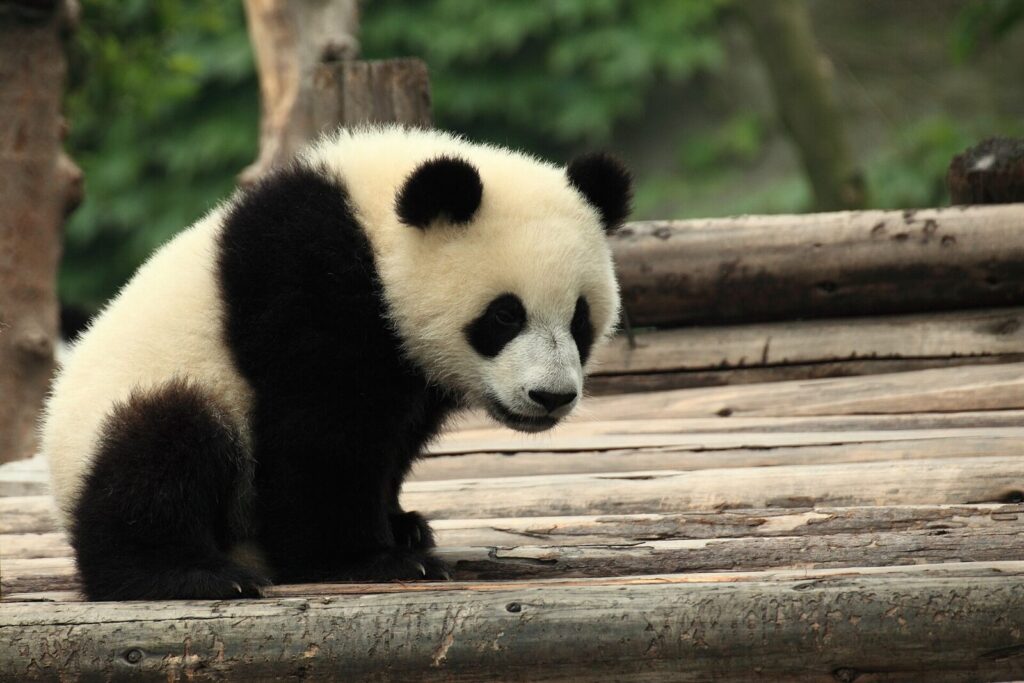
Chengdu is the easiest first stop for younger children: giant pandas in the morning, a teahouse in the afternoon, and food that can be as mild or as fiery as your family likes. Xi’an works brilliantly for school-age children who can cycle part of the old city wall and then see the Terracotta Army, which is far more memorable in person than in any textbook. Beijing and Shanghai suit older children who can handle big museums and long days, and Shanghai Disneyland is an obvious reward day — but do not stack it next to a long train journey or an early flight.
Build in a slow day after every two busy days. A park, a neighbourhood walk, a swimming pool at the hotel, or simply a morning with no alarm does more for a family trip than one more sight. Children who are rested enjoy the next big day; children who are exhausted enjoy nothing, however famous it is.
Hotels: confirm the family room and the foreign-guest question
Not every hotel in China accepts foreign guests, and a family room that sleeps four on a booking site may mean two adults and two small children on one double bed plus a sofa. Message the hotel before you pay: confirm that it accepts foreign passport holders, that the room genuinely fits your family, and whether an extra bed or cot is available and what it costs. Our guide to booking hotels as a foreigner explains exactly what to check and what to ask.
Choose location over luxury. A mid-range hotel next to a metro station beats a grand hotel that needs a 40-minute taxi ride every morning. With children, being able to pop back for a rest, a change of clothes or a forgotten toy is worth more than a fancier lobby.
Food: keep it simple, and let children choose
Chinese food is far more child-friendly than many parents expect, provided you do not start with the spiciest dishes. Plain rice, noodles, dumplings, steamed buns, egg fried rice and tomato and egg are available almost everywhere, and most restaurants will happily make a milder version of a dish if you ask. Let children point at dishes on other tables or at pictures on the menu — it turns ordering into part of the adventure rather than a negotiation. For ordering phrases, regional dishes and realistic prices, see our China food guide for first-timers.
Carry snacks and water for train journeys and long sightseeing days, plus a small bag of familiar food for the first 48 hours while everyone adjusts.
Getting around cities with children
Metro systems in Beijing, Shanghai, Chengdu, Xi’an and other major cities are clean, cheap, signposted in English and far less stressful than city traffic. Avoid rush hour (roughly 7:30–9:00 and 17:30–19:00) when stations are crowded and escalators are a squeeze with a pushchair.
A light folding pushchair is much easier than a large one on metros and uneven paths at historic sites; at steep or crowded sights, a baby carrier is often more practical. Ride-hailing through DiDi, booked inside Alipay or WeChat, works well for families with luggage or tired legs — keep the destination written in Chinese characters on your phone.
Health, toilets and everyday comfort
Do not drink tap water; bottled water is cheap and sold everywhere. Pack regular medicines in hand luggage with a copy of the prescription, and note the nearest pharmacy (药店, yàodiàn) to your hotel on arrival.
Public toilets vary enormously: mall toilets and squat toilets at older sights can be streets apart. Carry tissues and hand sanitiser, show younger children what a squat toilet looks like before the first urgent moment, and use a hotel, mall or restaurant toilet whenever you pass one.
In summer, schedule outdoor sights for the morning and keep hats and water on hand. In winter in the north, layer children warmly for exposed sights like the Great Wall.
A realistic family packing reminder
Pack light, because you will be carrying bags through stations and up hotel stairs. The essentials are passports, a phone charger and power bank, snacks, water, tissues, sanitiser, sun protection, layers for changing weather, and one comfort item per child for the flight and the first night. Our full China packing list for first-timers covers what to bring, what to leave and what is easier to buy after you arrive.
China rewards families who slow down. Pick two or three places, book the right tickets in the right names, keep days short, and leave room for the unplanned moments — the street snack a child insists on trying, the park where local grandparents play with their grandchildren, the panda that is, briefly, more interesting than anything else in the world. Those are the days your children will remember.
If you would like help shaping a family trip around your children’s ages, interests and energy levels, our concierge service can help. Want this trip shaped around your children’s ages and school holidays? Our Route Design ($180) turns it into a day-by-day plan built for your family, not a generic schedule.