
Last updated: November 19, 2026
Most first-time visitors worry about the wrong things. Violent crime against foreigners is rare, and cities are dense with cameras and patrols. What actually trips people up is friction: no working payment method, no data, a taxi that will not take them, or a friendly stranger with an agenda. This guide covers the realistic risks, how to avoid each one, and what to do if something goes wrong.
How safe is China, really?
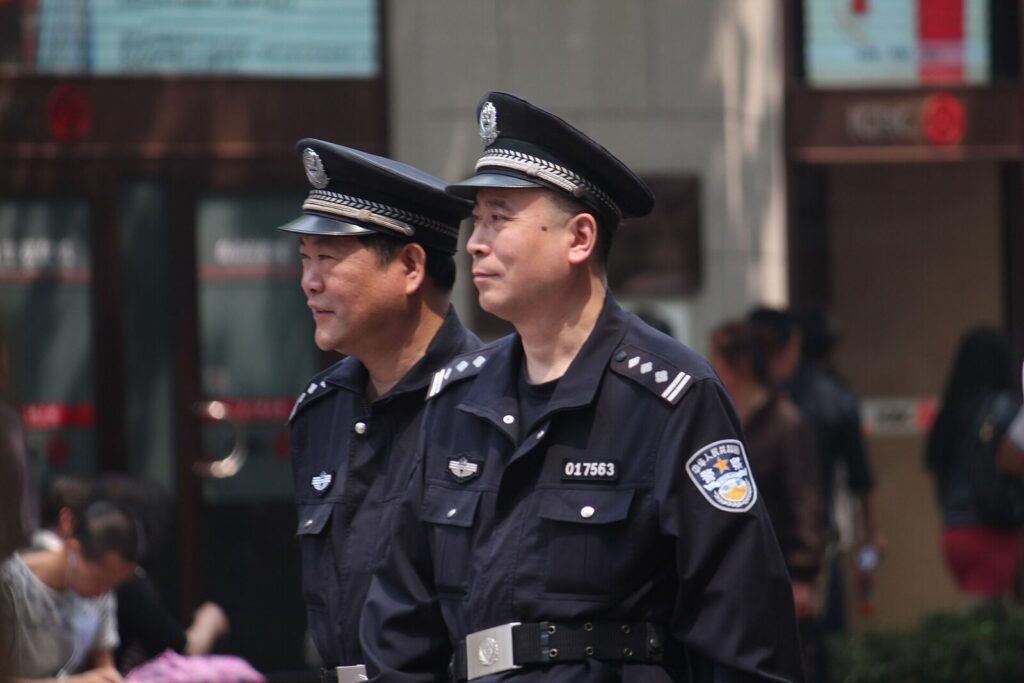
Walking alone at night in Shanghai, Chengdu, Hangzhou or Xi’an is normal for locals and visitors alike. Pickpocketing exists around major sights, metro stations and night markets, as it does everywhere, but bag-snatching and mugging are uncommon. Solo travellers, including women, generally report feeling comfortable. The usual common sense applies: keep your phone in a front pocket in crowds, do not leave bags unattended, and be a little more careful late at night in bar districts.
| Risk | Likelihood | Main fix |
|---|---|---|
| Violent crime | Very low | Normal city awareness |
| Pickpocketing | Low to moderate at crowded sights | Front pockets, zip bags |
| Tourist scams | Moderate in a few hotspots | Decline invitations, use apps for prices |
| Traffic (e-bikes, scooters) | Moderate | Look both ways, even on pavements |
| Food or water illness | Low to moderate | Bottled or boiled water, busy stalls |
| Payment/connectivity failure | High if unprepared | Set up before you fly |
The scams to know (and how to dodge them)
1. The tea-house or café invitation
Friendly English speakers, often a pair, approach you near the Bund, People’s Square, Wangfujing or Tiananmen and suggest a tea ceremony or coffee. The bill that follows can run into hundreds of dollars. Simply say no thanks and keep walking. Genuine locals rarely approach tourists to take them somewhere specific.
2. The “art student” exhibition
Similar approach, but you are led to a gallery and pressured to buy overpriced prints. Same answer: politely decline.
3. Taxi tricks
Unofficial drivers at airports and stations quote a flat price or “forget” the meter. Use the official taxi queue or, better, a ride-hailing app. See our DiDi guide: the fare is shown before you ride and the plate is recorded in the app.
4. Fake notes and change
Counterfeit ¥100 notes occasionally appear in cash change. Most of China runs on mobile payments, so you may rarely need cash. Our payment guide explains how to set up Alipay or WeChat Pay with a foreign card.
5. Overpriced “special” tickets and tours
Touts outside major sights sell unofficial tours or tickets. Book attraction tickets in advance through official channels; our attraction ticket guide shows how.
6. Restaurant menu markups
In tourist streets, menus without prices or a “foreigner menu” can be inflated. Order from a picture menu with prices shown, or via the restaurant’s QR code, which usually lists one price for everyone.
Registration, passports and the police
Foreign visitors must register their address with the local police within 24 hours of arrival. Hotels do this automatically when you check in with your passport. If you stay in a private apartment, you or the host need to register at the local police station. Carry your passport (or a clear copy plus the original in your hotel safe, depending on local rules) as ID checks happen at train stations, museums, some hotels and scenic gates. If a hotel turns you away, see our guide on booking hotels as a foreigner.
Emergency numbers
| Service | Number | Notes |
|---|---|---|
| Police | 110 | Operators may speak limited English; have your location ready in Chinese via a map screenshot |
| Ambulance | 120 | Taking a taxi or ride-hail to hospital is often faster in a non-critical case |
| Fire | 119 | |
| Traffic accident | 122 | |
| Tourism complaints | 12301 | National tourism complaint line, Chinese-language |
Also save your embassy’s emergency line for your country before you travel and keep a screenshot of your hotel’s name and address in Chinese.
Health: water, food, air and pharmacies
- Water: Do not drink tap water. Hotels supply a kettle and bottled water; boil or buy bottled.
- Food: Busy places with high turnover are safest. Street food is generally fine if it is cooked in front of you. Spice and oil can upset a sensitive stomach for the first few days.
- Air quality: Winter in northern cities can bring smoggy days. Check an air quality app and carry a few N95 or KN95 masks if you are sensitive.
- Altitude: Tibet, Qinghai and parts of Sichuan and Yunnan are high. Ascend gradually and ask a doctor about altitude medication.
- Medicine: Pharmacies are everywhere, but staff rarely speak English. Bring your usual prescriptions in original packaging plus a doctor’s note, and a translation app.
- Insurance: Buy travel insurance that covers medical care and evacuation. Larger cities have international hospitals and clinics, usually requiring upfront payment.
Traffic and getting around safely
Electric scooters are silent and often ride on pavements or against traffic. Cars may not stop for pedestrians even at crossings, so cross decisively but watch every direction. High-speed trains and metros are very safe, with security screening at stations. Our metro guide and domestic flights guide cover booking and boarding.
Digital safety: apps, VPN and data
Many foreign apps and sites (Google, WhatsApp in some cases, Instagram) are blocked without a VPN, and a VPN must be installed before you arrive. Install an eSIM or a roaming plan so you have data from the airport (eSIM guide). Use only secure Wi-Fi for banking, keep a power bank, and download offline maps and a translation app. See also our list of essential apps.
Cultural and legal points that can cause trouble
- Photography: Do not photograph military sites, police stations or government buildings. Drones require permits and are banned in many areas, so leave yours at home unless you have arranged permission.
- Religion and politics: Avoid distributing religious material or discussing sensitive political topics in public. Respect temple customs.
- Drugs: Penalties are severe and apply to visitors too.
- Etiquette: Tipping is not expected and most behaviour norms are easy. See our etiquette guide.
Pros and cons for first-timers
| Pros | Cons |
|---|---|
| Very low violent crime; late-night walking is normal Excellent public transport and visible policing Most scams are avoidable by saying no |
Language barrier in emergencies Heavy reliance on phone apps and mobile payment Some regional air quality and altitude issues |
Pre-trip safety checklist
- Confirm your entry route and visa status; see our visa guide.
- Set up Alipay or WeChat Pay and test it with a small purchase.
- Install a VPN, an eSIM, a map app and a translator.
- Screenshot hotel names and addresses in Chinese and your first-night booking.
- Buy travel insurance and save your embassy contact.
- Photograph your passport and visa page and store copies in the cloud.
- Pack prescriptions in original packaging with a doctor’s note.
FAQ
Is China safe for solo female travellers?
Generally yes. Most visitors report feeling comfortable in cities and on trains. Use the usual precautions late at night and book accommodation in well-reviewed areas.
Is it safe to use ride-hailing and taxis?
Yes. Ride-hailing apps are the simplest option because the fare, route and plate number are recorded.
Can I drink the tap water?
No. Boil it or buy bottled water.
Do I need to carry my passport?
Be ready to show it for hotel check-in, train tickets, many attractions and occasional police checks. Rules vary by city, so ask your hotel what they recommend.
What should I do if I lose my passport?
Report it at the nearest police station for a loss report, then contact your embassy or consulate for a replacement or emergency travel document, and ask about re-registering your stay.
Are there areas I should avoid?
Check your government’s current travel advice for specific regions, and confirm permit rules for places like Tibet or border zones; see our Tibet permit guide.