
Last updated: November 1, 2026
Tibet is the one part of China where the “download Alipay and wing it” approach does not work. Rules for foreigners are different from the rest of the country, and agencies’ websites often contradict one another. This guide pulls together what major licensed operators and travel publishers say as of late 2026, flags where they disagree, and explains how to plan around the permit. Always confirm current rules with your agency before booking flights, because Tibet policy can change with little notice.
What is the Tibet Travel Permit?
The Tibet Travel Permit (also called the Tibet Tourism Bureau or TTB permit, or the Tibet Entry Permit) is a paper document issued by the Tibet Tourism Bureau in Lhasa. It lists the travelers, approved dates and the places you may visit in the Tibet Autonomous Region. It is not a visa: your Chinese visa requirement is separate. The permit is tied to your itinerary, cannot be reused, and is returned at the end of the trip.
Who needs it?
| Traveler | Permit needed? |
|---|---|
| Foreign passport holders (including ethnic Chinese holding only a foreign passport) | Yes |
| Taiwan residents | Yes, via a licensed agency |
| Hong Kong / Macau residents with Home Return Permit | No, per major operators |
| Mainland Chinese citizens | No |
| Diplomats, journalists, officials | Special approval from the Tibet Foreign Affairs Office, not an agency |
The key rule: no independent travel
Foreigners cannot move around Tibet independently. You need a registered agency, a licensed guide and a driver with a vehicle for anything outside the city. In Lhasa itself, most operators note you can wander the Barkhor area and old-town lanes on your own, but the guide requirement applies to sites and any trip beyond city limits. Because of this, the permit is effectively a by-product of buying a tour.
How to get the permit, step by step
- Pick your route and dates. The permit lists your itinerary. Changes after approval generally require a new application, and you can leave earlier than the approved date but not later.
- Choose a licensed Tibet-side agency. Ask for their license and how they deliver the permit. Compare the whole package, not the permit line.
- Sort your Chinese entry status. Check whether your country has visa-free entry (see our visa-free guide). Some operators say visa-free travelers on trips under 15 days only need passport copies, while others ask for visa scans, so confirm with the agency.
- Send scans. A clear colour passport scan (six months validity is commonly requested) and visa page if you have one. Work, student or family visas may need extra letters.
- Wait. Operators quote anything from 5–7 working days to 15–20 working days. Plan for the longer figure.
- Receive the original. Several 2026 sources say that since March 13, 2026, foreign tourists must show the original permit at check-in for flights and trains, not a photocopy. Older articles still say copies work for trains. Treat the original as required and ask your agency to deliver it to your hotel in mainland China before you leave for Lhasa.
How much does it cost?
Sources disagree on the permit itself: some say it is free, others cite a ¥200–400 (about US$28–55) processing cost embedded in the tour price. Either way, you will not see a standalone permit fee in most quotes. The real expense is the mandatory tour.
| Item | Typical range (2026) |
|---|---|
| Tibet Travel Permit | Free or about ¥200–400 (US$28–55), bundled |
| 4-day Lhasa group tour | About US$450–600 per person |
| 7–8 day Lhasa + Everest Base Camp | About US$900–1,400 per person |
| Private 1-week tour | From about US$1,300 per person |
| Mount Kailash trip (12–15 days) | About US$1,800–2,800 |
| Flight to Lhasa, one way | About US$110–530 depending on city |
| Xining–Lhasa train | About US$80–200 (¥ fares vary by berth) |
These are published ranges from agencies and travel sites, not guaranteed prices. Group tours cost noticeably less per person than private ones.
Extra permits for remote areas
Beyond the main permit, areas such as Everest Base Camp, Sakya and Samye monasteries, Mount Kailash and Lake Manasarovar need an Alien’s Travel Permit, arranged by your guide in Tibet. Very remote or border zones may need a military permit applied for weeks in advance. Your agency handles these; just make sure they are in your quote.
Getting to Lhasa: fly or train?
Flying
Chengdu, Chongqing, Xi’an and Kunming have the cheapest and most frequent routes. Flying is fast but takes you to roughly 3,600 m within hours, which makes altitude sickness more likely.
Taking the train
The Xining–Lhasa line takes about 22 hours and climbs gradually, passing 5,072 m at Tanggula Pass. Many travelers see it as the best altitude preparation. Tickets are released in advance on 12306; see our China train booking guide. Foreigners usually need the permit to buy and board, so the agency often books tickets for you.
| Option | Pros | Cons |
|---|---|---|
| Fly (Chengdu/Chongqing) | Fast, cheaper from western China | Rapid altitude gain |
| Train (Xining, Chengdu, Beijing, etc.) | Gradual acclimatization, scenery | 20+ hours, permit required to book |
Permit timing: the booking trap
Airlines and rail staff want to see the permit, but agencies often cannot finish it until a few days before travel. Do not buy non-refundable flights to Lhasa before your agency confirms the permit timeline. Many operators recommend letting them book the flight or train too. Build in buffer days if you are connecting from elsewhere in China.
March closures and holidays
For years Tibet closed to foreign tourists in March. In 2026 several sources report that it did not, but operators still warn that short closures can happen with little notice. Tibetan New Year (Losar) also pauses permit processing; for 2026, one operator noted a 12-day pause in February. Check dates for 2027 before choosing your travel window. Peak season is roughly May to October; winter is quiet, sunny and cheaper if you focus on Lhasa.
Altitude and health basics
- Lhasa sits at about 3,650 m. Plan a slow first two days.
- Talk to a doctor about altitude medication before you go.
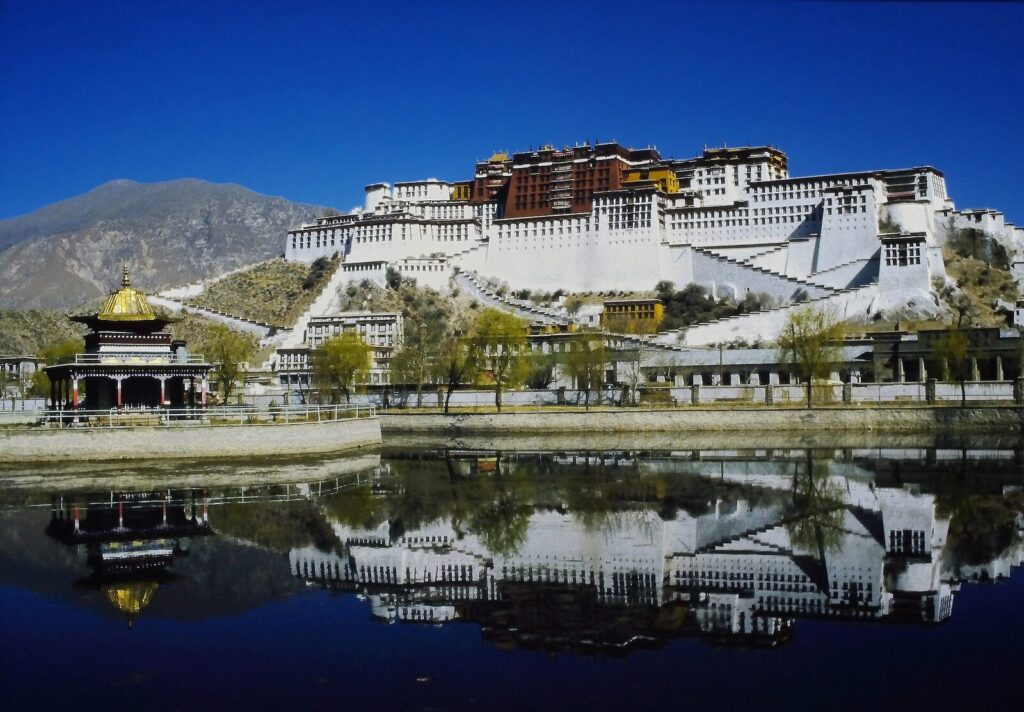
- Drink water, avoid alcohol on arrival, and don’t rush stairs at the Potala Palace.
- Mobile data works via eSIM in much of the region; see our China eSIM guide and apps guide.
Tips to avoid delays or rejection
- Use the same passport for the permit, flights and hotels if you hold two.
- State your occupation accurately on the form.
- Send clear, valid scans and do not leave submission to the last minute; a 10-working-day minimum is a common agency recommendation.
- Lock in your itinerary first. Changes mean re-applying.
- Keep the original permit safe; guides often hold it during the trip.
Is Tibet worth the hassle?
Pros: Unmatched landscapes, monasteries, high-altitude lakes, and the Potala Palace. Cons: Mandatory tour, higher cost, permit timing uncertainty, altitude. If you want a flexible independent trip, consider pairing a classic route like our 2-week China itinerary with a short Tibet add-on, or choosing other high-altitude areas that don’t require a permit, such as Lijiang and Jade Dragon Snow Mountain.
FAQ
Can I apply for the Tibet permit myself?
No. Only a registered agency in Tibet can apply on your behalf, tied to a tour.
Is the permit the same as a visa?
No. You still need a Chinese visa or qualifying visa-free entry, plus the permit.
Do I need a guide the whole time?
Operators say a guide is required for sites and travel outside Lhasa city, while free time in the city center is generally fine.
Can I use a photocopy of the permit?
Recent notices say original permits must be shown at check-in since March 2026. Confirm with your agency.
How far ahead should I start?
Four to six weeks is a safe window, longer for Kailash or peak season.
How long is the permit valid?
Only for the dates and route on it. You can leave early but not stay later.
Need help planning around Tibet?
Wander China’s Concierge can help you plan the rest of your China trip around a Tibet leg: flights, trains, apps, payments and a sensible schedule. For the Tibet tour itself, you will need a licensed Tibet agency; we can help you compare options and questions to ask. Message us on WhatsApp for a custom quote based on your needs.