
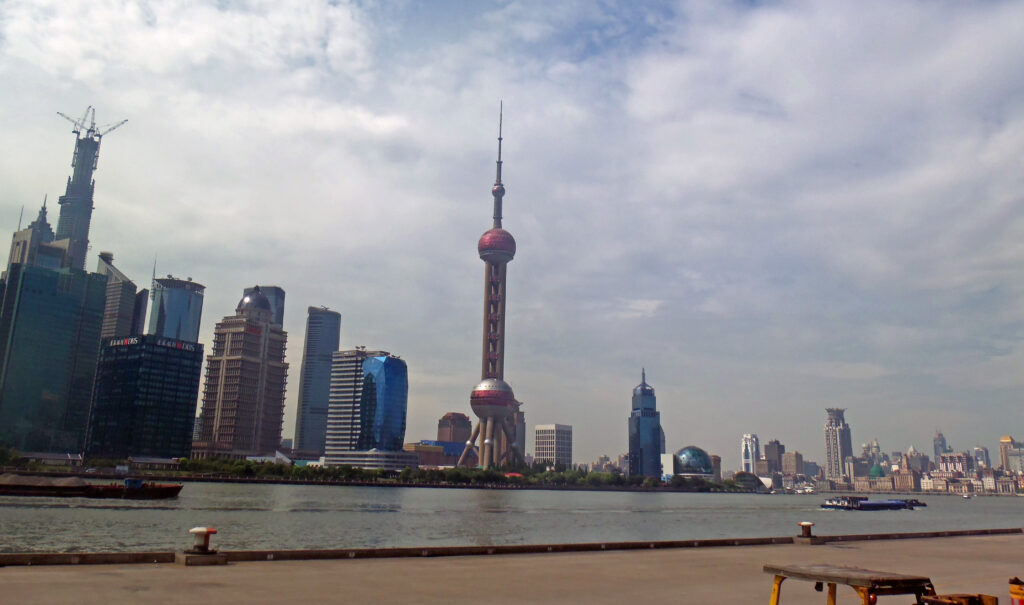
Travelling to China alone sounds daunting at first: unfamiliar signs, different apps, and crowds at the big sights. In practice, China is one of the easiest large countries to travel solo. High-speed trains are punctual, metros are signed in English, and eating alone is completely normal. The main challenge is not safety or friendliness. It is preparation: getting your entry route, payments and bookings sorted before you arrive, so being alone feels like freedom rather than friction.
Is China good for solo travellers?
Yes, with one important caveat: China rewards solo travellers who plan the practical details, and it frustrates those who expect to improvise everything on arrival. Many major sights require a passport-linked reservation made days ahead. Trains sell out on popular routes. Payments are mostly cashless. None of this is difficult once you know the system, but it is not a place to wing it entirely.
On the plus side, solo travel here is rarely lonely in an uncomfortable way. Restaurants offer single tables without a second thought, and hostels and walking routes attract other independent travellers, especially in Beijing, Shanghai, Chengdu, Xi’an and Guilin.
Start with the entry rules, not the itinerary
Before choosing cities, check which entry route applies to your passport, and check it again close to departure, because visa policy dates change. As of late 2026, ordinary-passport holders from many countries can enter China without a visa for up to 30 days, with the main unilateral arrangement for most of those countries currently running until 31 December 2026. Other travellers, including United States passport holders, generally need a visa in advance or must qualify for the 240-hour visa-free transit route. Do not assume a friend’s experience applies to you: eligibility depends on your passport, not on where you live.
Also plan for accommodation registration. Hotels normally register foreign guests with the police automatically when you check in. If you stay in a private apartment or with a friend, you may need to register yourself within 24 hours of arrival in the city — hotels remove this worry, which is one more reason they are the simplest choice for a first solo trip. Our guide to registering your accommodation in China explains the process step by step.
Choose a first solo route that is forgiving
For a first solo trip, fewer cities and slower days beat a long checklist. A good starting route is Beijing for four to five days, then Xi’an or Shanghai for three to four days, linked by high-speed rail. Beijing gives you the Forbidden City, the Great Wall, hutongs and world-class museums. Xi’an adds a walkable city wall, Muslim Quarter street food and the Terracotta Army. Shanghai is a softer landing if you prefer a more international city first, with the Bund, French Concession streets and easy day trips to Suzhou or Hangzhou.
Resist the urge to add a third or fourth city “because you are already there”. Every move costs half a day once you count check-out, station transfers, security checks and check-in. As a solo traveller you carry that cost alone, with no one to watch bags while you buy tickets or find the right platform. Two bases in ten days will feel richer than four bases in ten days. If you want a ready-made shape for that first trip, our 10-day first-timer itinerary uses exactly this slower logic.
Safety: sensible, not anxious
Violent crime against visitors is rare in China’s major cities, and solo travellers routinely report feeling safe walking in busy areas at night. The realistic risks are smaller: pickpockets in crowded stations and markets, price scams around stations and famous sights, and persistent strangers steering you towards an overpriced teahouse or bar. Keep valuables in a front pocket or zipped bag, use ride-hailing or metered taxis rather than touts, and agree prices before you sit down.
A few solo-specific habits help. Share your hotel address and daily plan with someone at home. Keep a charged phone and power bank with you — your phone is your map, translator, ticket wallet and payment method all at once. Photograph your passport page and entry stamp, and carry your hotel’s address in Chinese characters so any taxi driver can find it.
Hotels: book foreigner-friendly, and book ahead
Not every hotel in China accepts foreign guests, and this is the single most common solo-trip frustration. A hotel can look perfect online and still turn you away at reception if it is not licensed for foreign visitors. The safe rule is to book hotels that explicitly state they accept foreign guests, confirm it in writing before you pay, and avoid arriving late at an unconfirmed property. International booking platforms usually filter for this, but listings are not always accurate, so a short message to the hotel is worth the effort.
Location matters more than luxury. A hotel within a short walk of a metro station saves you a negotiation with a taxi driver every morning and makes late returns simple. For the full checklist, see our guide to booking hotels in China as a foreigner.
Transport: let the rail network do the heavy lifting
High-speed rail is the solo traveller’s best friend in China. Trains are fast, frequent and far less stressful than domestic flights for most city-to-city journeys. Book tickets with your passport details, arrive early for security and ID checks, and keep your passport handy — it is your ticket at many stations. Second-class seats are perfectly comfortable; first class buys wider seats and a quieter carriage.
Inside cities, metros are the default: signed in English as well as Chinese, with low fares and quick security checks. For short trips, ride-hailing through DiDi is straightforward once set up; see our DiDi guide for foreigners. Do not plan tight connections on your first journey — give yourself an extra hour at large stations.
Money, phones and apps: set them up before you fly
China is largely cashless, and a solo traveller without working mobile payments will feel the friction at every meal and metro gate. Before departure, set up Alipay and WeChat Pay with a foreign card where possible, test a small payment, and download offline maps and a translation app. An eSIM or a local SIM arranged in advance means you land connected rather than hunting for a phone shop while jet-lagged. Our guides to paying in China and staying connected walk through the current setup, and our list of essential apps covers maps, translation, rail booking and ride-hailing in one place.
Budgeting alone is simpler than many people expect: you control every meal, ticket and hotel choice, and a comfortable solo day in a major city is far cheaper than the equivalent day in Western Europe. Check ticket prices before booking: Forbidden City admission is ¥60 in peak season (April to October) and ¥40 in the off-season (November to March), with the Treasure Gallery and Clock Gallery ¥10 each extra, booked online in advance with your passport. Always confirm prices before you travel, as they change.
Eating alone: one of China’s quiet pleasures
If you worry about eating alone, China will cure you quickly. Solo dining is normal, fast and often better than group dining, because you can order exactly what you want and move on. Noodle shops, dumpling counters, hotpot restaurants with single-person pots and night-market stalls all work beautifully for one. Pointing, photos on menus and translation apps will carry you through most orders, and staff are generally patient with first-timers.
Try the dish the restaurant is known for rather than a generic “safe” meal everywhere, as our China food guide for first-timers explains. Hostel common rooms and cooking classes are low-pressure ways to find company for a meal.
Meeting people — and enjoying being alone
Solo travel in China does not mean travelling in silence unless you want to. Hostels run social evenings and day trips, and walking routes naturally create conversations. English is not widely spoken outside tourist areas, so a translation app and a few polite phrases go a long way.
At the same time, protect your alone time deliberately. The best solo days mix one structured morning with an unstructured afternoon: a park, a teahouse, a riverside walk at dusk. For the mistakes that most often spoil that freedom, see our first-timer mistakes guide.
Solo checklist
- Passport, printed and digital copies, and your hotel address in Chinese characters.
- Phone, power bank and charging cable, with offline maps and translation apps installed.
- Payment apps set up and tested, plus a bank card and a small amount of cash in yuan.
- Comfortable walking shoes and layers for air-conditioned trains and hot streets.
- Tickets booked in advance for passport-reservation sights.
- One light day in each city — for rest or a plan that changes.
China is a country you can explore at your own pace, with excellent infrastructure and cities that are easy to navigate once the first day’s systems click into place. Plan the bookings, keep your days a little looser than you think you need, and let solo travel do what it does best: give you space to notice things properly.
If you would like that first solo route shaped around your dates, pace and interests — which cities, in which order, and which sights are actually worth booking ahead — our concierge service can help. Want this solo trip tailored to your dates? Our Route Design ($180) turns it into a day-by-day plan, with hotels, trains and ticket timings sorted before you fly.