
Anhui · Qingyang
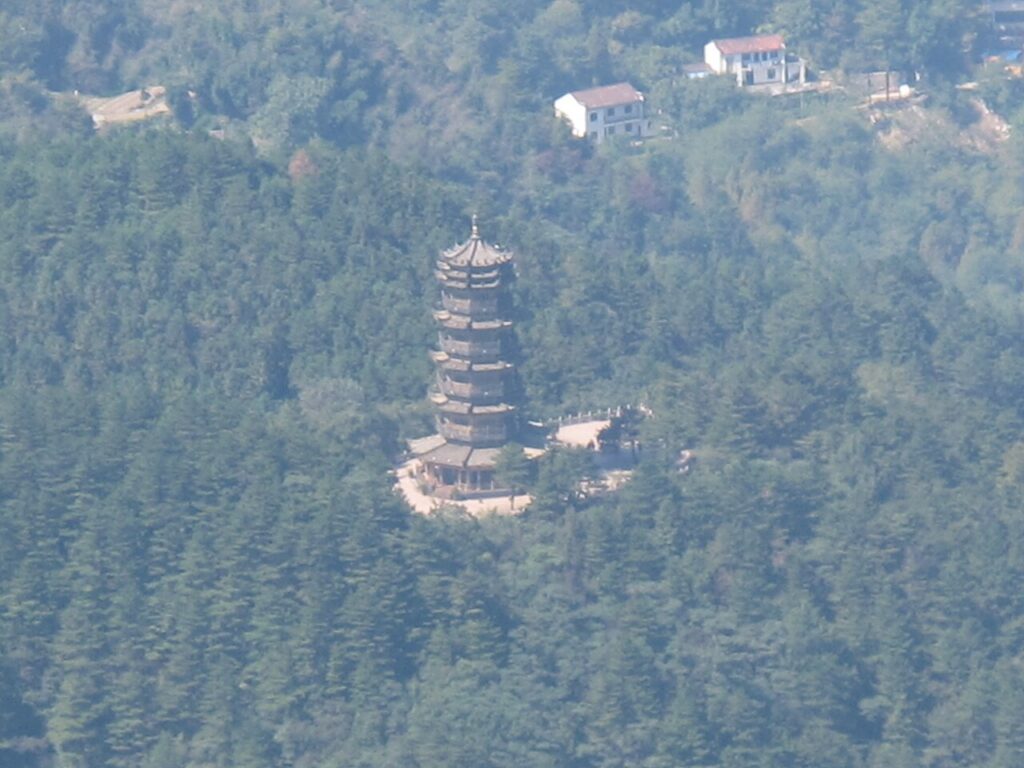
Rising above the misty hills of southern Anhui, Mount Jiuhua is one of China’s four sacred Buddhist mountains — the earthly home of Ksitigarbha, the bodhisattva who vowed to save all beings before entering Buddhahood. Its ninety-nine peaks are said to mirror the lotus throne, and for over a thousand years pilgrims have climbed its stone stairways past golden-roofed temples clinging to granite cliffs. At the mountain’s heart, Jiuhua Street is a small temple village where incense curls from Huacheng Temple, the oldest monastery on the mountain, and where the Baisui Palace enshrines the preserved body of a Ming-dynasty monk who lived to 126. The climb to Tiantai Peak, at 1,306 metres, rewards early risers with a sea of clouds rolling beneath the temple roofs, and in autumn the slopes turn gold and red under clear skies. Come for the scenery and stay for the quiet: chanting at dawn, vegetarian meals in temple dining halls, and a slower rhythm than China’s busier sacred peaks.
Tips: Base yourself in Jiuhua Street and join the 6 a.m. chanting at Huacheng Temple before the day crowds arrive. Take the cable car up, then climb the last thirty minutes of stone steps to Tiantai Peak for the morning cloud sea. Try a temple vegetarian lunch (around ¥20–30) and, if you stay overnight, walk the back-mountain trails to Huatai for azalea slopes in spring.
Photo: 江上清风1961 / Wikimedia Commons (CC BY 3.0)